
6 Reasons Parents Should Consider HPV Vaccination for Their Child
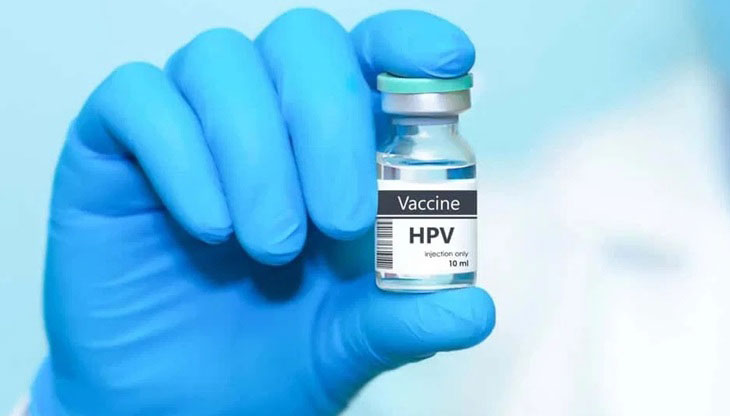
As parents, protecting your child from serious health problems is always a priority. Vaccination is one of the most effective ways to prevent certain infections before they become a health concern later in life. One vaccine that deserves greater awareness is the HPV vaccine.
Human papillomavirus (HPV) is a very common virus. Persistent infection with certain high-risk HPV types can contribute to several cancers, including cervical, anal, penile, vulvar, vaginal and some throat cancers. HPV vaccination helps prevent infection with HPV types that are responsible for many of these diseases. Here are six important reasons parents should discuss HPV vaccination with their child’s doctor.
- It Helps Prevent HPV-Related Cancers
One of the most important benefits of HPV vaccination is cancer prevention.
Persistent infection with certain high-risk HPV types can cause cellular changes that may eventually contribute to cancer. HPV vaccination helps prevent infection with these HPV types before exposure occurs. This makes HPV vaccination an important part of long-term preventive healthcare.
- Vaccination Before HPV Exposure Provides Better Protection
HPV vaccination works best when given before a person is exposed to HPV. This is one reason vaccination is recommended during the preteen and early adolescent years.
WHO identifies girls aged 9–14 years as the primary target group for HPV vaccination. Recommendations regarding boys, older adolescents and adults can vary depending on national guidelines, age and individual circumstances. Parents should therefore discuss the appropriate timing and schedule with their child’s doctor.
- HPV Is Not Just About Cervical Cancer
Many people associate HPV only with cervical cancer. However, HPV can also contribute to cancers affecting both women and men.
Depending on the HPV vaccine used, vaccination can help protect against HPV types associated with cancers involving the:
- Cervix
- Vagina and vulva
- Anus
- Penis
- Throat
HPV vaccination can also help prevent infection with HPV types responsible for most genital warts.
- HPV Vaccines Have Been Extensively Studied for Safety
Parents may naturally have questions about vaccine safety. HPV vaccines have been studied extensively, and safety monitoring has continued after their introduction. Like other vaccines, HPV vaccination can cause temporary side effects. These may include pain, redness or swelling at the injection site, and some people may experience fever, headache or tiredness.
Adolescents can occasionally faint after receiving an injection, so healthcare providers may recommend sitting or lying down and remaining under observation for a short period after vaccination. Your doctor can explain the expected benefits, possible side effects and any precautions relevant to your child.
- HPV Vaccination Does Not Replace Future Cervical Screening
HPV vaccination and cervical cancer screening serve different purposes. The vaccine helps prevent new HPV infections but does not treat an existing HPV infection or replace recommended cervical screening.
Therefore, women should continue to follow appropriate cervical screening recommendations later in life, even if they received the HPV vaccine during childhood or adolescence.
- It Is an Investment in Your Child’s Future Health
Preventive healthcare means taking action before a disease develops.
Age-appropriate HPV vaccination can help reduce the risk of HPV infections associated with several serious diseases later in life. Vaccinating before potential exposure provides an opportunity for protection when the vaccine is most effective.
If you are considering an HPV Vaccine in Nagpur, speak with a qualified healthcare professional about your child’s age, vaccination history, health conditions and the appropriate vaccination schedule.
When Should Your Child Receive the HPV Vaccine?
The recommended age and number of doses can depend on when vaccination is started, the vaccine used, national recommendations and individual health circumstances. WHO recommends HPV vaccination as a priority for girls aged 9–14 years, while specific recommendations and vaccination programmes can differ between countries.
A Best Gynecologist in Nagpur can help parents understand whether HPV vaccination is appropriate for their child and answer questions about timing, doses, precautions and eligibility. At Shrikhande Fertility Clinic, parents can discuss reproductive and women’s health concerns with an experienced medical team. If HPV vaccination is available through the clinic, the healthcare team can also guide eligible families regarding vaccination.
Talk to Your Doctor About HPV Vaccination
As a parent, you do not have to navigate vaccination decisions alone. If your child is in the recommended age group, take the opportunity to discuss HPV vaccination with a qualified healthcare professional. During the consultation, ask about:
- Whether HPV vaccination is appropriate for your child’s age.
- The recommended number and timing of doses.
- Any precautions based on your child’s medical history.
- Whether your child is up to date with other recommended vaccinations.
- When future cervical cancer screening should begin for vaccinated girls.
If you are considering an HPV Vaccine in Nagpur, speak with an experienced doctor at Shrikhande Fertility Clinic to understand your child’s individual needs and make an informed decision about vaccination. A conversation today can help you take an important step towards protecting your child’s future health.
Conclusion
HPV vaccination is an important preventive measure that can reduce the risk of infection with HPV types associated with several cancers and genital warts. Vaccination at the recommended age provides an opportunity to develop protection before exposure to HPV. However, vaccination decisions should take your child’s age, health history, previous vaccinations and applicable recommendations into account.
If you are unsure whether your child should receive the HPV vaccine, don’t rely on myths or social media information. Discuss your child’s vaccination history and individual health needs with a qualified healthcare professional and make an informed decision about HPV vaccination.
Frequently Asked Questions
1. Is the HPV vaccine only for girls?
No. HPV can affect both males and females, and HPV vaccination may provide protection against HPV-related diseases in both.
2. Does the HPV vaccine treat an existing HPV infection?
No. The vaccine helps prevent new HPV infections but does not treat an existing HPV infection.
3. Is HPV vaccination still useful if someone has already been exposed to HPV?
A healthcare professional can advise based on age and individual circumstances. Vaccination may still provide protection against HPV types to which a person has not previously been exposed.
4. Does HPV vaccination mean cervical screening is no longer necessary?
No. Vaccination does not replace recommended cervical cancer screening.
5. Is the HPV vaccine safe for children?
HPV vaccines have undergone extensive safety evaluation and continued monitoring. Your child’s doctor can explain expected side effects and any individual precautions before vaccination.
Tags: cervical cancer prevention, Cervical Health, HPV vaccine, HPV Vaccine in Nagpur, Women Health


 (+91) 880 557 7600

 Abhyankar Road, Dhantoli, NAGPUR-12


Leave a Reply