
Why Does IUI Fail? Common Reasons and What to Consider Next
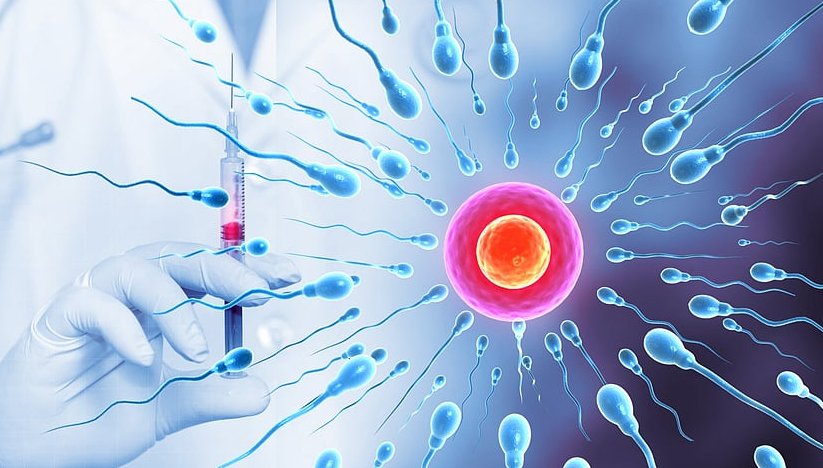
For couples trying to conceive, IUI (Intrauterine Insemination) can be a relatively simple fertility treatment. During IUI, specially prepared sperm are placed directly into the uterus around the time of ovulation, helping increase the number of sperm that reach the reproductive tract at the appropriate time.
However, an IUI cycle does not always result in pregnancy. An unsuccessful attempt can be disappointing, but it does not necessarily mean that something has gone seriously wrong or that pregnancy is impossible. Understanding the possible Causes of IUI Failure can help couples and their doctor decide whether another IUI cycle is appropriate or whether the treatment strategy should be reassessed.
What Are the Common Factors Associated with IUI Failure?
IUI success depends on several factors involving both partners. Important factors include:
- Age and egg quality: Female fertility changes with age, and age-related changes in egg quality can influence the likelihood of pregnancy.
- Ovulation problems: Irregular or absent ovulation may reduce the chances of successful fertilisation.
- Sperm-related factors: Low sperm concentration, reduced motility or significant abnormalities in sperm parameters can affect IUI outcomes.
- Fallopian tube problems: IUI generally requires at least one patent fallopian tube because fertilisation usually takes place within the fallopian tube.
- Endometriosis: Depending on its severity and the individual’s fertility profile, endometriosis may affect the chances of conception.
- Uterine factors: Certain polyps, fibroids or other uterine abnormalities may affect fertility or implantation.
- Follicular response: The number and development of follicles during an IUI cycle can influence whether the cycle provides a reasonable opportunity for conception.
- Timing: IUI is closely coordinated with ovulation. Appropriate timing of insemination is therefore an important part of treatment.
- Unexplained infertility: Sometimes, routine investigations do not identify a clear cause of infertility. Pregnancy may still not occur in every IUI cycle even when investigations are reassuring.
Importantly, these factors do not mean that an IUI cycle will definitely fail. Pregnancy involves several biological steps, and success cannot be guaranteed in any individual cycle.
Does One Failed IUI Mean IUI Will Not Work?
Not necessarily. Even when an IUI cycle is carefully planned, pregnancy may not occur. Fertilisation, embryo development and implantation involve complex biological processes that cannot be completely controlled. After an unsuccessful cycle, your doctor may review:
- Whether ovulation occurred as expected
- Follicle development and response to medication
- The timing of insemination
- Semen parameters
- The condition of the uterus and fallopian tubes
- The number of follicles that developed
- Previous fertility treatment and overall medical history
This review helps determine whether another IUI treatment cycle is reasonable or whether further evaluation or a different treatment approach should be considered.
What Can You Consider After IUI Failure?
There is no single next step that is appropriate for every couple. The decision depends on factors such as age, ovarian reserve, sperm parameters, tubal status, duration of infertility, underlying conditions and previous treatment response.
Depending on the evaluation, options may include:
- Another monitored IUI cycle when the overall circumstances remain suitable.
- Adjusting ovulation-induction treatment when clinically appropriate.
- Treating an identified reproductive or hormonal problem before another attempt.
- Addressing certain uterine or tubal conditions when indicated.
- Considering IVF when IUI is unlikely to provide sufficient benefit or when other factors make IVF more appropriate.
Therefore, a failed IUI cycle is often a reason to reassess the treatment plan, rather than simply repeating the same approach without reviewing what happened during the previous cycle.
When Should You Consult a Fertility Specialist?
If IUI attempts have been unsuccessful, or if there are already known fertility concerns, discussing the situation with a fertility specialist in Nagpur can help clarify whether further IUI treatment is appropriate.
At Shrikhande Fertility Clinic, treatment planning considers the medical history, investigations and previous treatment response of both partners. The aim is to identify factors that may have affected the IUI outcome and determine the most appropriate next step. A detailed reassessment may be particularly important when there are concerns involving ovarian response, sperm parameters, fallopian tubes, the uterus, endometriosis or other reproductive factors.
Conclusion
IUI can help some couples conceive, but pregnancy is not guaranteed in every treatment cycle. Factors including age, egg quality, ovulation, sperm parameters, tubal function, uterine conditions, follicular response and treatment timing can all influence the outcome.
If an IUI cycle has not worked, it is important to understand what happened during that cycle and whether anything should be reassessed or changed before proceeding. With guidance from an experienced fertility team at Shrikhande Fertility Clinic, couples can make informed decisions about continuing IUI treatment or considering other fertility options when appropriate.
A failed IUI cycle does not automatically mean that treatment has failed overall. It can provide useful information that helps your fertility specialist determine the next appropriate step.
Frequently Asked Questions
1. Why does IUI fail even when everything appears normal?
Pregnancy involves fertilisation, embryo development and implantation, and these processes cannot be completely controlled. An IUI cycle can therefore be unsuccessful even when routine investigations are reassuring.
2. How many IUI attempts should a couple try?
There is no universal number that applies to every couple. Age, ovarian reserve, sperm parameters, duration of infertility, underlying conditions and previous treatment response should all be considered.
3. Does failed IUI mean IVF is the only option?
No. Depending on the individual situation, another IUI cycle may be appropriate, or the doctor may recommend further evaluation or another treatment approach.
4. Can poor sperm quality cause IUI failure?
Yes. Low sperm concentration, reduced motility and significant abnormalities in semen parameters may reduce the likelihood of success.
5. Should both partners be evaluated after a failed IUI?
The fertility history and treatment response of both partners should be considered. This helps ensure that potentially relevant factors are not overlooked.
Tags: Best Fertility Specialist in Nagpur, Causes of IUI Failure, Infertility Treatment, Intrauterine Insemination


 (+91) 880 557 7600
 Abhyankar Road, Dhantoli, NAGPUR-12


Leave a Reply