
Why Are My Periods Getting Heavier? When Heavy Bleeding Needs Medical Attention
Changes in your menstrual cycle can sometimes be easy to dismiss as “normal.” However, if your periods have suddenly become much heavier, last longer than usual, or start interfering with your daily activities, it is worth paying attention.
Heavy menstrual bleeding can have several possible causes, ranging from hormonal changes to conditions affecting the uterus. Understanding these Menstruation Problems can help you recognise when it is time to consult a doctor.
What Is Considered a Heavy Period?
Menstrual bleeding varies from woman to woman, and what is normal for one person may not be normal for another. A period may be considered unusually heavy when bleeding is excessive, prolonged or significantly affects your everyday life. Possible warning signs include:
- Needing to change sanitary products very frequently.
- Bleeding through clothes or bedding.
- Passing unusually large or frequent blood clots.
- Periods that regularly last longer than usual.
- Feeling unusually tired, weak or short of breath, which may be associated with iron-deficiency anaemia.
- Heavy bleeding that interferes with work, sleep, exercise or other daily activities.
If your periods have become noticeably heavier than they were previously, identifying the underlying cause is important.
What Are the Causes of Periods Getting Heavier?
There are several possible Causes of Periods Getting Heavier, and they can vary depending on age, medical history and reproductive stage. Common causes include:
- Hormonal changes: Changes in reproductive hormones can affect the growth and shedding of the uterine lining and alter menstrual bleeding.
- Uterine fibroids: These non-cancerous growths can cause heavy or prolonged periods and may also cause pelvic pressure or pain.
- Adenomyosis: This condition occurs when tissue similar to the uterine lining grows into the muscular wall of the uterus and may cause heavy, painful periods.
- Endometrial or uterine polyps: These growths can contribute to irregular or heavier bleeding.
- Thyroid disorders: Thyroid problems can affect menstrual patterns and bleeding.
- Bleeding disorders: Some women may have an underlying blood-clotting disorder that contributes to heavy menstrual bleeding.
- Certain medications or contraceptives: Some medicines and contraceptive methods can change menstrual bleeding.
- Perimenopause: Hormonal fluctuations during the years before menopause can cause periods to become irregular, lighter or heavier.
- Pregnancy-related causes: If pregnancy is possible, unexpected heavy bleeding should be medically evaluated because pregnancy-related conditions can also cause bleeding.
When Should Heavy Bleeding Concern You?
Not every heavy period indicates a serious medical condition. However, persistent or increasingly heavy bleeding should not simply be ignored. Consider consulting a gynaecologist if:
- Your periods have recently become significantly heavier.
- Heavy bleeding repeatedly affects your normal activities.
- You frequently pass large blood clots.
- You experience significant period pain along with heavy bleeding.
- You feel unusually weak, tired, dizzy or short of breath.
- You have bleeding between periods or after sexual intercourse.
- Your menstrual pattern has changed significantly, particularly around perimenopause or after a long period without menstruation.
Very heavy bleeding accompanied by fainting, severe dizziness, marked weakness, shortness of breath or other symptoms of significant blood loss requires prompt medical attention. If pregnancy is possible and you experience heavy bleeding, seek medical assessment promptly.
How Is Heavy Periods Treatment Decided?
The appropriate heavy periods treatment depends on the underlying cause, severity of bleeding, age, symptoms, medical history and reproductive plans. Your doctor may recommend:
- A detailed menstrual and medical history study.
- Blood tests, including testing for anaemia when appropriate.
- A physical or pelvic examination when indicated.
- Ultrasound to assess the uterus and ovaries.
- Further investigations when symptoms suggest a specific underlying condition.
- Medication to reduce bleeding or manage an identified hormonal or medical cause.
- Treatment for fibroids, polyps or other uterine conditions when required.
If you are planning a pregnancy, your treatment plan should also take your fertility goals into account.
When Should You See a Gynaecologist?
Persistent menstrual changes deserve proper evaluation rather than self-treatment. Consulting an experienced Best Gynecologist in Nagpur can help determine why your periods have become heavier and whether further investigation is needed.
At Shrikhande Fertility Clinic, menstrual and reproductive concerns can be assessed as part of a woman’s overall reproductive health. When heavy bleeding is associated with difficulty conceiving, an evaluation by a Best Fertility Specialist in Nagpur may also help identify conditions that could be relevant to fertility.
Conclusion
Heavier periods are not something you should automatically accept as a normal part of getting older. Hormonal changes, fibroids, adenomyosis, polyps, thyroid problems, bleeding disorders and other conditions can contribute to heavy menstrual bleeding.
If your periods have changed significantly or are affecting your quality of life, seek medical advice. Identifying the underlying cause can help you receive appropriate heavy periods treatment and address any related reproductive health concerns. Paying attention to changes in your menstrual cycle is an important part of taking care of your health.
Frequently Asked Questions
1. Can heavy periods be caused by fibroids?
Yes. Fibroids can cause heavy or prolonged menstrual bleeding, although not every woman with fibroids experiences these symptoms.
2. Can heavy periods cause anaemia?
Yes. Repeated heavy menstrual bleeding can lead to iron deficiency and iron-deficiency anaemia, which may cause tiredness, weakness or shortness of breath.
3. Do heavy periods always require treatment?
Not necessarily. Treatment depends on the severity of bleeding, its underlying cause, associated symptoms and how much it affects your daily life.
4. Can heavy periods affect fertility?
Heavy bleeding itself does not always cause infertility. However, conditions such as fibroids, adenomyosis or other uterine problems that contribute to heavy bleeding may also be relevant to fertility in some women.
5. When is heavy menstrual bleeding an emergency?
Very heavy bleeding accompanied by fainting, severe dizziness, marked weakness, shortness of breath or other signs of significant blood loss requires prompt medical attention.
IVF Myths That Prevent Couples from Seeking Timely Treatment
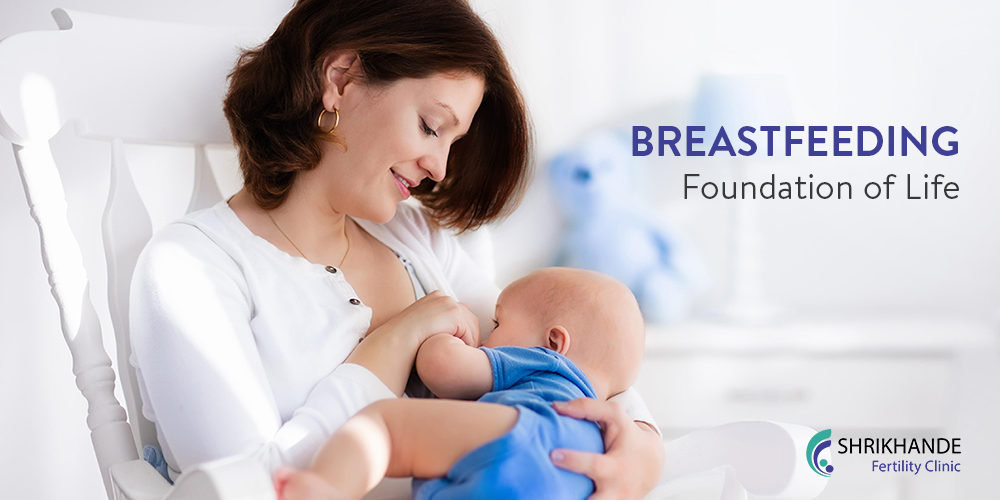
“BREASTFEEDING: Foundation of Life”
What the Experts Want You To Know
It’s world breastfeeding week!
A week to raise awareness and celebrate the wonderful thing that is breastfeeding. The most natural and beautiful thing for a mother and her baby.
While breastfeeding can be a difficult time for new mums, with feelings of fear, guilt and confusion going into overdrive. It shouldn’t have to be this way, as breastfeeding is one of the most natural things in the whole world. Regardless of whether you’re a first-time mother, a mother who has breastfed multiple times, or a mother with other kids who has chosen to breastfeed her present newborn child, there is constantly more to learn.
We Need To Talk About Menstruation and not just about the TAX on Sanitary Pads
Why the Conversation About Menstrual Health In India Needs To Go Beyond The Tax On Sanitary Pads?
In a country where a majority of women are too poor to have a piece of cotton cloth, debating the merit of a couple of percentage points hike in tax on sanitary pads feels like a futile exercise.
What I have observed that some of the discussions that resulted following the declaration of the Goods and Services Tax rate were in fact largely baffling and disappointing.

Secondary Infertility and What You Need To Know About It
Secondary Infertility: Easy Ways to Make the Journey More Sensible
Most couples have a mental portrait of their ideal family, and it can be devastating if they realise themselves unable to make that happen. Infertility is heart breaking and stressful, regardless of whether you have a kid or not. Rather being a parent adds a multifaceted layer of complexity. For an example, they are immersed in the world of kids, so it’s difficult to stay away from the kids and pregnant bellies which keep reminding you what you are missing. Furthermore couples with secondary infertility don’t get much sympathy, so they end up feeling as if they don’t have a privilege to be sad; in fact, they are regularly advised to appreciate the child they have. In some cases, parents even feel guilty for not able to give their child a sibling.


 (+91) 880 557 7600
 Abhyankar Road, Dhantoli, NAGPUR-12