Blocked Fallopian Tubes? Here’s How You Can Still Get Pregnant
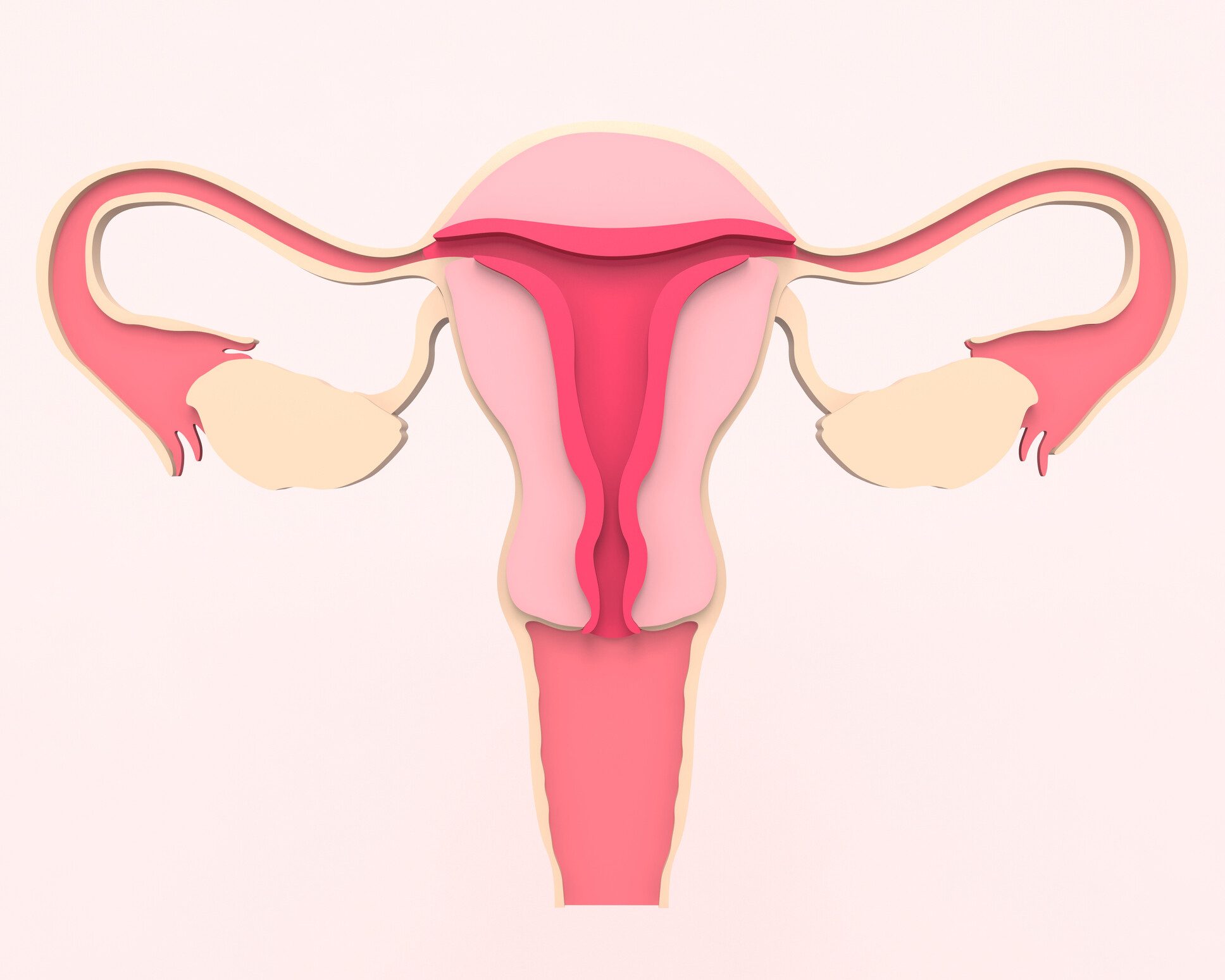
When you hear the words “blocked fallopian tubes,” it can feel like your journey to motherhood has suddenly hit a dead end. But here’s the truth this diagnosis is not the end of your fertility story. With modern medical advancements and the right guidance, many women with blocked tubes go on to have healthy pregnancies.
Let’s break the myth and bring hope back into the picture.
Understanding the Role of Fallopian Tubes
Fallopian tubes are essential for natural conception. They act as the meeting point where the sperm fertilizes the egg. Once fertilization happens, the embryo travels through the tube into the uterus for implantation. When one or both tubes are blocked, this journey is disrupted making natural conception difficult, but not impossible.
What Causes Blocked Fallopian Tubes?
Blocked tubes can result from several conditions, including:
- Pelvic inflammatory disease (PID)
- Endometriosis
- Previous abdominal or pelvic surgeries
- Tubal infections like tuberculosis
- Scar tissue or adhesions
Sometimes, there may be no obvious symptoms, making diagnosis possible only during fertility evaluation.
The Big Question: Can You Still Get Pregnant?
Yes, absolutely. The treatment approach depends on whether one or both tubes are blocked, and the severity of the blockage.
1. If One Tube is Open
If one fallopian tube is healthy, natural conception is still possible. With proper monitoring and ovulation tracking, many women conceive naturally.
2. Tubal Repair Surgery
In some cases, minimally invasive surgery can help remove blockages or repair damaged tubes. This option works best when the damage is mild.
3. IVF – A Game-Changer
In vitro fertilization (IVF) is one of the most effective solutions for blocked fallopian tubes. It completely bypasses the tubes by fertilizing the egg in a lab and transferring the embryo directly into the uterus.
For many couples, IVF turns what seemed impossible into reality.
Why Early Diagnosis Matters
The sooner a blockage is detected, the more options you have. Tests like HSG (hysterosalpingography) or laparoscopy help identify the condition and guide treatment decisions.
Delaying evaluation can reduce the chances of success, especially with age being a factor in fertility.
Emotional Strength is Key
A diagnosis like this can be emotionally overwhelming. But remember you are not alone, and you are not out of options. Fertility treatments today are more advanced, accessible, and successful than ever before.
Your Next Step Towards Parenthood
At Shrikhande Fertility Clinic, every couple’s journey is treated with personalized care, advanced technology, and compassionate support. Whether it’s guiding you through natural options, surgery, or IVF, the focus is always on giving you the best possible chance at parenthood.
Conclusion
Blocked fallopian tubes may change your path but they don’t stop your destination. With the right medical support and a positive approach, your dream of becoming a parent is still very much within reach.

Can Too Many Supplements Harm Your Fertility? The Hidden Truth
Can Too Many Supplements Harm Your Fertility? The Hidden Truth
In today’s health-conscious world, supplements have become a daily habit. From multivitamins and protein powders to herbal boosters and fertility pills many people believe that “more is better.” But when it comes to fertility, that assumption can backfire.
The Rise of Self-Prescribed Supplements
Social media trends, fitness influencers, and online advice have made supplements easily accessible. Many individuals start taking supplements without proper medical guidance like:
- High-dose vitamins
- Protein supplements
- Herbal fertility boosters
- Gym-related performance products
While supplements can support health when used correctly, unsupervised or excessive intake can disrupt the body’s natural balance especially when you’re trying to conceive.
How Excess Supplements Can Affect Fertility
1. Hormonal Imbalance
Certain supplements, especially those containing hormones or hormone-like compounds, can interfere with your body’s natural reproductive system.
For example:
- Excess vitamin intake can affect hormone regulation
- Some herbal products may mimic estrogen or testosterone
This imbalance can disrupt ovulation in women and sperm production in men.
2. Impact on Sperm Health
In men, overuse of protein powders, anabolic supplements, or testosterone boosters can reduce natural sperm production.
Many gym supplements contain hidden ingredients that may:
- Lower sperm count
- Affect sperm motility
- Alter hormonal balance
What seems like a “fitness boost” could quietly affect fertility.
3. Egg Quality and Ovulation Issues
For women, excessive intake of certain vitamins or herbal supplements can affect egg quality and ovulation cycles. Instead of improving fertility, imbalanced nutrient levels may interfere with the body’s natural reproductive rhythm.
4. Liver and Metabolic Stress
The body processes supplements through the liver. Overloading it with unnecessary supplements can lead to metabolic stress, indirectly affecting hormone balance and reproductive health.
5. False Sense of Security
One of the biggest risks is relying solely on supplements instead of addressing the root cause of infertility. Supplements cannot replace proper diagnosis, medical treatment, or lifestyle changes.
When Are Supplements Helpful?
Supplements are beneficial when:
- Prescribed by a doctor
- Tailored to your specific deficiency
- Taken in the correct dosage
For example, folic acid, vitamin D, and certain antioxidants can support fertility but only when used appropriately.
The Right Approach to Fertility
Fertility is not about taking more it’s about taking the right steps.
At Shrikhande Fertility Clinic, we focus on:
- Personalized evaluation
- Identifying underlying causes
- Guided supplementation (only when needed)
- Holistic lifestyle improvement
What Should You Do?
If you’re trying to conceive:
- Avoid self-medication with supplements
- Inform your doctor about everything you’re taking
- Focus on a balanced diet instead of excessive pills
Conclusion
Supplements can be helpful but only when used wisely. Overuse or misuse can silently affect your fertility without obvious symptoms. Remember, more is not always better especially when it comes to your reproductive health.
At Shrikhande Fertility Clinic, we believe in science-backed, personalized care to help you achieve your dream of parenthood safely and effectively

Fibroids After 30: What Every Woman Should Know
Fibroids After 30: What Every Woman Should Know
Turning 30 often brings a new awareness of health especially reproductive health. Among the most common yet misunderstood conditions affecting women in their 30s are uterine fibroids. These non-cancerous growths may sound alarming, but understanding them early can make all the difference in protecting your fertility and overall well-being.
What Are Fibroids?
Fibroids are benign (non-cancerous) growths that develop in or around the uterus. They can vary in size from tiny, undetectable nodules to large masses that can distort the uterus. While many women may have fibroids without even knowing it, others experience symptoms that can impact daily life and fertility.
Why Are Fibroids Common After 30?
Hormonal changes play a key role. Fibroids are influenced by estrogen and progesterone hormones that are active during reproductive years. As women enter their 30s, prolonged exposure to these hormones increases the likelihood of fibroid growth.
Additionally, lifestyle factors such as stress, diet, delayed pregnancies, and genetic predisposition can contribute to their development.
Signs You Shouldn’t Ignore
Fibroids don’t always cause symptoms, but when they do, they may include:
- Heavy or prolonged periods
- Pelvic pain or pressure
- Frequent urination
- Pain during intercourse
- Difficulty in conceiving
Many women normalize these symptoms, assuming they are just part of “regular periods.” But your body often signals when something needs attention.
How Fibroids Affect Fertility?
One of the biggest concerns for women over 30 is fertility and fibroids can sometimes interfere with it. Depending on their size and location, fibroids may:
- Block the fallopian tubes
- Distort the uterine cavity
- Affect embryo implantation
- Increase the risk of miscarriage
However, it’s important to note that not all fibroids cause infertility. Many women with fibroids go on to have healthy pregnancies with the right guidance and treatment.
When Should You Seek Medical Advice?
If you’re planning a pregnancy or experiencing symptoms, it’s important not to delay evaluation. Early diagnosis can help prevent complications later.
You should consult a specialist if:
- Your periods are unusually heavy or painful
- You’ve been trying to conceive without success
- You experience persistent pelvic discomfort
- Treatment Options: Not Always Surgery
The good news is that fibroids are manageable. Treatment depends on your symptoms, age, and fertility goals. Options may include:
- Monitoring small, symptom-free fibroids
- Medications to manage symptoms or shrink fibroids
- Minimally invasive procedures for removal
- Fertility-focused treatments if conception is a concern
At Shrikhande Fertility Clinic, we focus on personalized care, ensuring that treatment aligns with your reproductive goals.
Taking Charge of Your Health After 30
Your 30s are a crucial time to prioritize reproductive health. Regular check-ups, awareness of symptoms, and timely intervention can help you stay one step ahead.
Conclusion
Fibroids after 30 are common but ignoring them shouldn’t be. With the right information and expert care, you can manage fibroids effectively and protect your fertility.
At Shrikhande Fertility Clinic, we’re here to guide you with compassion, expertise, and a commitment to your journey toward motherhood.

Male Secondary Infertility: Hidden Reasons Why It Happens After Your First Child
Male Secondary Infertility: Hidden Reasons Why It Happens After Your First Child
For many couples, having the first child feels like proof that everything is “normal.” So when trying for a second baby becomes difficult, it can be confusing and often unexpected. What many don’t realize is that male secondary infertility is more common than people think, and it can develop even after a successful pregnancy in the past.
At Shrikhande Fertility Clinic, we often meet couples who are surprised to learn that fertility is not static it can change over time.
What is Male Secondary Infertility?
Male secondary infertility refers to the inability to conceive after previously fathering a child, without using contraception. Since there was no issue earlier, many couples delay seeking help, assuming it’s just a matter of time. But in reality, several hidden factors may be at play.
Why Does Fertility Change Over Time?
A man’s reproductive health is influenced by lifestyle, environment, and overall health. Even if everything was fine earlier, changes over the years can impact sperm quality, count, and function.
Let’s look at some of the lesser-known reasons behind male secondary infertility:
1. Lifestyle Changes That Add Up
Over time, habits like:
- Smoking or alcohol consumption
- Poor diet and lack of exercise
- Weight gain or obesity
- Increased stress levels
can significantly affect sperm health. What may have seemed harmless earlier can gradually impact fertility.
2. Age and Declining Sperm Quality
While men can remain fertile longer than women, age still matters. As men grow older, sperm quality including motility and DNA integrity can decline. This may not prevent conception entirely but can make it more difficult.
3. Hidden Medical Conditions
Conditions that develop later in life can silently affect fertility, such as:
- Varicocele (enlarged veins in the testicles)
- Diabetes or hormonal imbalances
- Infections affecting the reproductive tract
- These conditions often go unnoticed without proper evaluation.
4. Stress and Mental Health
Modern life brings increasing stress from work pressure to financial responsibilities. Chronic stress can disrupt hormonal balance and negatively affect sperm production. Emotional health is often overlooked but plays a key role in fertility.
5. Environmental and Occupational Factors
Exposure to heat, radiation, chemicals, or toxins especially in certain professions can impact sperm quality over time. Even frequent laptop use on the lap or prolonged sitting can contribute to reduced sperm health.
6. Changes in Sexual Health
Issues like reduced libido, erectile dysfunction, or infrequent intercourse due to busy schedules can also affect the chances of conception.
Why Early Evaluation Matters?
One of the biggest mistakes couples make is waiting too long before seeking help. Since there was a previous successful pregnancy, infertility is often not suspected early on. At Shrikhande Fertility Clinic, we emphasize timely diagnosis and personalized evaluation. A simple semen analysis and basic tests can often reveal underlying issues and guide the next steps.
The Good News: Solutions Are Available
Male secondary infertility is treatable in many cases. With the right approach whether it’s lifestyle changes, medical treatment, or assisted reproductive techniques many couples successfully conceive again.
Conclusion
Struggling to have a second child can feel isolating, especially when everything worked fine before. But fertility is dynamic, and changes over time are natural. The key is awareness, early action, and the right guidance.
At Shrikhande Fertility Clinic, we are here to support you with expert care, advanced treatment options, and a compassionate approach.
What Factors Affect the Success of In-Vitro Fertilization (IVF) Treatment?
What Factors Affect the Success of In-Vitro Fertilization (IVF) Treatment?
In-vitro fertilization (IVF) has brought hope to countless couples dreaming of parenthood. While IVF is one of the most advanced and effective fertility treatments available today, its success is influenced by several important factors. Understanding these can help couples set realistic expectations and take the right steps toward a successful pregnancy.
Age: The Most Crucial Factor
A woman’s age plays a significant role in IVF success. Younger women generally have better egg quality and higher chances of successful fertilization and implantation. Women under 35 tend to have higher success rates, while those above 35 may experience a gradual decline due to reduced ovarian reserve and egg quality. However, with advanced techniques and personalized care at Shrikhande Fertility Clinic, many women in their late 30s and 40s have also achieved successful outcomes.
Egg and Sperm Quality
Healthy eggs and sperm are essential for creating a strong embryo. Poor egg quality or sperm abnormalities can affect fertilization and embryo development.
In some cases, advanced procedures like ICSI (Intracytoplasmic Sperm Injection) are recommended to improve fertilization chances. A thorough evaluation helps determine the best approach for each couple.
Uterine Health and Implantation
Even if a good-quality embryo is formed, successful pregnancy depends on proper implantation in the uterus. Conditions like fibroids, polyps, or a thin endometrial lining can reduce implantation success.
At Shrikhande Fertility Clinic, we carefully assess uterine health and ensure the uterus is well-prepared to receive the embryo.
Lifestyle and Overall Health
Lifestyle choices can significantly impact IVF success. Factors such as:
- Smoking and alcohol consumption
- Poor diet and lack of exercise
- High stress levels
- Obesity or being underweight
can all influence fertility outcomes. Adopting a healthy lifestyle improves both egg and sperm quality and enhances the chances of success.
Hormonal Balance
Hormones play a vital role in ovulation, fertilization, and implantation. Imbalances in thyroid hormones, prolactin, or progesterone can interfere with IVF outcomes. Careful monitoring and correction of hormonal levels during treatment cycles help improve success rates.
Embryo Quality and Laboratory Standards
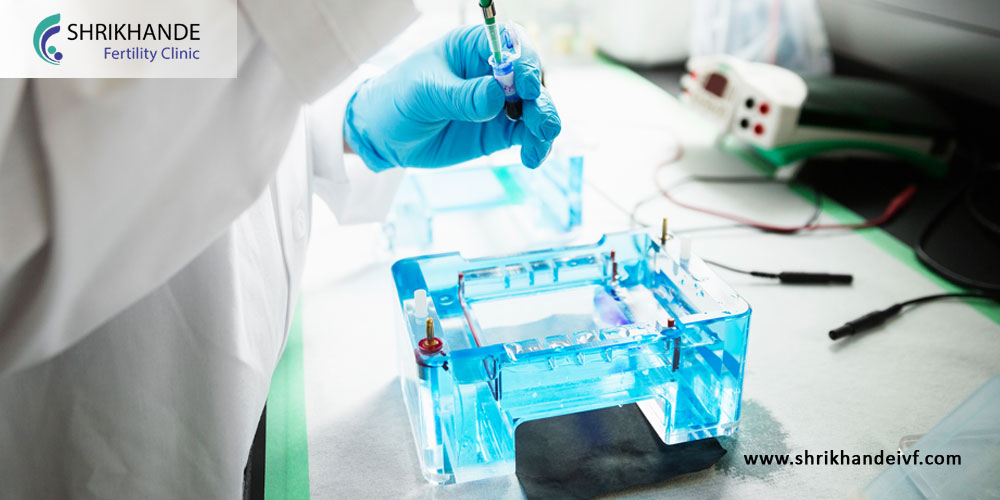
The quality of the embryo is one of the strongest predictors of IVF success. Advanced embryology labs, like those at Shrikhande Fertility Clinic, use cutting-edge technology to monitor embryo development and select the best embryos for transfer. A high-quality lab environment ensures optimal conditions for embryo growth.
Previous Fertility History
Past reproductive history, including previous IVF attempts, miscarriages, or underlying conditions, can influence outcomes. Each cycle provides valuable insights that help refine future treatment strategies.
Emotional Well-being
Fertility treatment can be emotionally demanding. Stress and anxiety may indirectly affect hormonal balance and overall health. Emotional support, counselling, and a positive mindset can make a meaningful difference throughout the journey.
Why Choose Shrikhande Fertility Clinic?
At Shrikhande Fertility Clinic, we understand that every fertility journey is unique. Our approach focuses on:
- Personalized treatment plans
- Advanced fertility technologies
- Experienced specialists
- Compassionate patient care
Conclusion
IVF success is influenced by a combination of medical, biological, and lifestyle factors. While some aspects, like age, cannot be changed, many others can be optimized with the right guidance


 (+91) 880 557 7600
 Abhyankar Road, Dhantoli, NAGPUR-12