
Embryo Grading Explained — Does a Better Grade Guarantee Pregnancy?
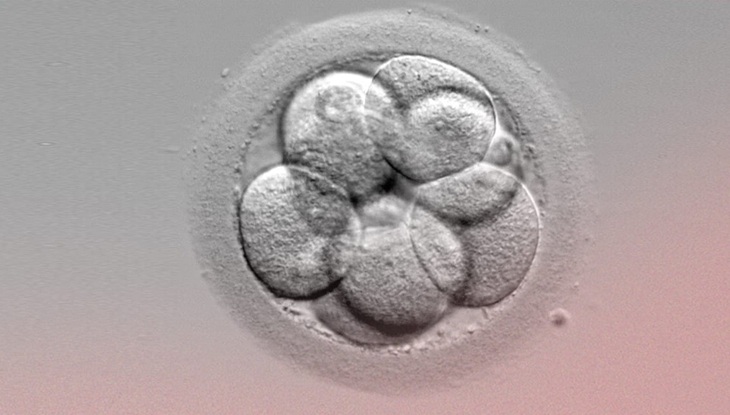
During IVF treatment, one of the most anticipated updates for couples is the embryo grading report. After fertilisation, embryos are carefully monitored in the laboratory to assess their growth and development. You may hear terms such as 4AA, 3BB or 5AB and wonder what these grades mean for your chances of pregnancy.
IVF Embryo Grading helps embryologists assess embryos based on their development and appearance. Understanding these grades can help couples interpret their IVF reports and discuss suitable transfer options with their fertility specialist.
What Is IVF Embryo Grading?
Embryo grading is a laboratory assessment of an embryo’s development and appearance under a microscope. It helps embryologists evaluate embryos and guide decisions about which may be considered for transfer.
Embryos are generally assessed at different developmental stages:
- Day 3 embryos: Embryologists examine the number and appearance of cells, their symmetry and the amount of fragmentation.
- Day 5 or Day 6 embryos (blastocysts): Assessment focuses on the embryo’s expansion and the development of two important cell groups.
The grading criteria differ depending on the embryo’s developmental stage.
What Do Embryo Grades Like 4AA or 3BB Mean?
A commonly used system for blastocysts is the Gardner grading system. It uses a number followed by two letters to describe the embryo’s development and appearance.
The grading considers three features:
- Expansion stage (number): Indicates how developed and expanded the blastocyst is, including whether it has started hatching.
- Inner Cell Mass (first letter): Refers to the group of cells that develops into the baby.
- Trophectoderm (second letter): Refers to the outer cell layer that contributes to the development of the placenta.
Letters generally range from A to C, with A indicating more favourable visible characteristics than B or C.
For example, a 4AA embryo is an expanded blastocyst with favourable-looking inner cell mass and trophectoderm. However, embryo grading describes its appearance, not its complete genetic health. Different laboratories may also use slightly different grading approaches.
Does a Higher Embryo Grade Mean Better IVF Success?
Generally, embryos with more favourable morphological grades have a higher likelihood of implantation than embryos with less favourable grades. However, appearance is only one part of the fertility picture.
Pregnancy outcomes may also depend on several factors:
- Age of the woman: Age can influence egg quality and the likelihood of chromosomal abnormalities in embryos.
- Embryo genetics: An embryo that looks healthy under a microscope may still have chromosomal abnormalities. Morphological grading and genetic testing assess different characteristics.
- Uterine health: The condition of the uterine lining and other reproductive factors can influence implantation.
- Embryo development: The timing and progress of development provide additional information. Both Day 5 and Day 6 blastocysts may have reproductive potential, and the developmental day is considered alongside other findings.
- Individual medical history: Previous IVF outcomes, underlying fertility conditions and other clinical factors may also influence treatment decisions.
Importantly, lower-graded embryos can still result in successful pregnancies, while some excellent-grade embryos may not implant. Therefore, embryo selection involves evaluating the complete clinical picture rather than relying on the grade alone.
What Should You Ask Your Fertility Specialist?
If you have received your embryo grading report, consider discussing these questions with your fertility specialist:
- What does each embryo grade mean?
- Which embryos are suitable for transfer?
- Does the developmental day influence the transfer decision?
- Is genetic testing indicated in my situation?
- What factors beyond embryo grade may affect my chances of pregnancy?
At Shrikhande Fertility Clinic, an experienced fertility specialist in Nagpur can help interpret your embryo grading report alongside your medical history, investigations and treatment progress.
Conclusion
IVF Embryo Grading is an important tool that helps embryologists assess embryo development and guide transfer decisions. However, the grade alone cannot determine the outcome of an IVF cycle.
Factors such as maternal age, embryo genetics, uterine health and individual medical history must also be considered. With personalised guidance from an experienced fertility specialist, couples can better understand their embryo reports and make informed treatment decisions.
Frequently Asked Questions
- What does a 4AA embryo mean in IVF?
A 4AA embryo is an expanded blastocyst with favourable-looking inner cell mass and trophectoderm. It is generally considered a favourable morphological grade, although it does not guarantee implantation or pregnancy.
- Is a 3BB embryo good for pregnancy?
A 3BB embryo is a blastocyst with a particular expansion stage and B-grade appearance of both the inner cell mass and trophectoderm. It may have reproductive potential, but its suitability depends on the complete clinical assessment.
- Can a low-grade embryo result in pregnancy?
Yes. Lower-graded embryos can still result in successful pregnancies. Embryo grading helps assess appearance and development, but it cannot independently predict the final outcome.
- Is a Day 5 embryo better than a Day 3 embryo?
Not necessarily. Both Day 3 embryo (cleavage stage) and Day 5 embryo (blastocysts) may have reproductive potential. Their suitability for transfer depends on embryo grading, developmental characteristics and individual clinical circumstances.
- Does embryo grading determine genetic health?
No. Embryo grading evaluates visible characteristics under a microscope. It cannot confirm whether an embryo has a normal chromosome number or is free from inherited genetic conditions. Genetic testing, when clinically indicated, provides different information.
Tags: Advanced medical technologies in pregnancy, Best Center for IVF in Nagpur, Best Fertility Specialist in Nagpur, Best IVF Center in Nagpur, IVF Embryo Grading


 (+91) 880 557 7600

 Abhyankar Road, Dhantoli, NAGPUR-12


Leave a Reply