
Ovulation Problems: Why You May Not Be Releasing an Egg Regularly
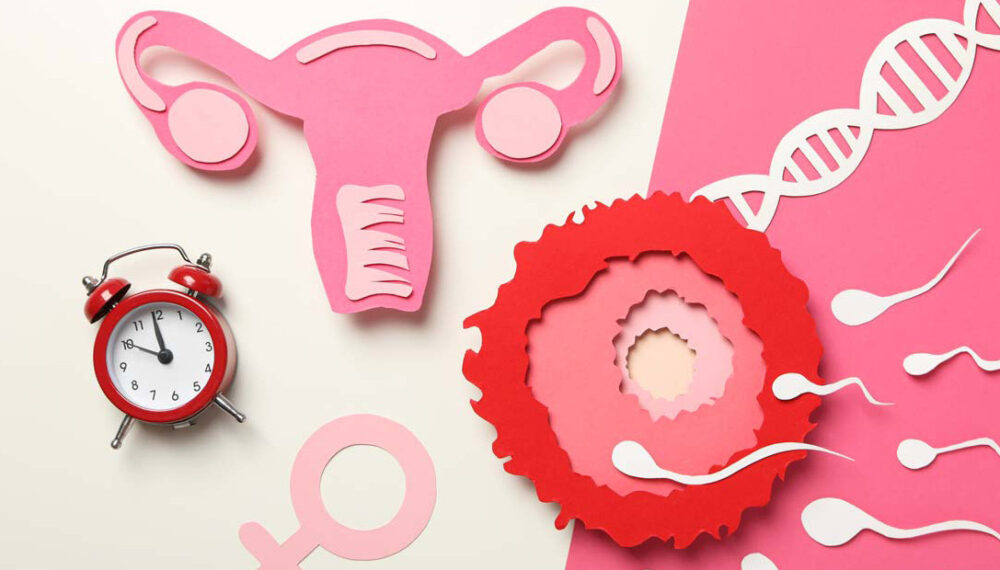
Ovulation is one of the most important steps in achieving pregnancy. During a typical menstrual cycle, an ovary releases an egg that can potentially be fertilised by sperm. When ovulation happens irregularly or does not occur, conceiving naturally can become more difficult. These conditions are known as Ovulation Problems, and they are among the common causes of female infertility.
Irregular or missed periods are often an important clue that ovulation may not be occurring regularly. However, menstrual bleeding alone does not always confirm that normal ovulation is taking place. Understanding the Causes of Ovulation Problems and seeking timely medical advice can help identify the underlying issue and guide appropriate treatment.
At Shrikhande Fertility Clinic, an experienced Best Fertility Specialist in Nagpur can assess your menstrual history, reproductive health, and other fertility factors to determine the most appropriate treatment approach.
What Are Ovulation Problems?
Ovulation problems occur when an ovary does not release an egg regularly or does not release one at all. When ovulation is absent or irregular, the opportunity for fertilisation may be reduced.
Common signs may include:
- Irregular or missed periods
- Very long or unusually short menstrual cycles
- Difficulty predicting the fertile window
- Difficulty conceiving despite regular unprotected intercourse
- Symptoms associated with hormonal imbalance
However, symptoms vary from woman to woman. Some women may have relatively regular periods and still require an evaluation of ovulation if pregnancy does not occur.
What Are the Causes of Ovulation Problems?
There are several possible Causes of Ovulation Problems, ranging from hormonal conditions to changes in weight and lifestyle.
Common contributing factors include:
- Polycystic Ovary Syndrome (PCOS): A common hormonal condition that can interfere with regular ovulation.
- Thyroid disorders: Both underactive and overactive thyroid conditions can affect menstrual cycles and reproductive function.
- Significant weight changes: Being significantly underweight or overweight can affect reproductive hormones and ovulation.
- Excessive physical activity: Very intense exercise, particularly when combined with inadequate nutritional intake, may affect menstrual function in some women.
- Stress: Significant or prolonged stress may affect menstrual cycles and ovulation in some individuals.
- Age-related reproductive changes: Fertility declines with age, partly because egg quality and ovarian function change over time.
- Other hormonal conditions: Problems involving reproductive hormones can also interfere with normal ovulation.
Identifying the underlying cause is important because treatment should address the specific reason for irregular or absent ovulation.
How Are Ovulation Problems Diagnosed?
A fertility specialist may use several methods to determine whether ovulation is occurring and why it may be irregular.
Evaluation may include:
- Detailed menstrual and medical history
- Blood tests to assess relevant reproductive and thyroid hormones
- Progesterone testing at an appropriate time in the menstrual cycle, when indicated
- Ultrasound monitoring of follicular development
- Assessment for conditions such as PCOS or thyroid disorders
- Ovarian reserve assessment when appropriate
The tests recommended will depend on your age, symptoms, menstrual pattern, medical history, and fertility goals.
Ovulation Problems Treatment: What Are Your Options?
The appropriate Ovulation Problems Treatment depends on the underlying cause.
Depending on your individual situation, treatment may include:
- Lifestyle and weight management
- Treatment of thyroid or other hormonal conditions
- Medications to induce ovulation when appropriate
- Ultrasound monitoring of follicular development
- Timed intercourse based on ovulation
- IUI when clinically appropriate
- IVF when other fertility factors are present or previous treatments have not been successful
Not every woman with an ovulation problem requires IVF. In many cases, addressing the underlying condition and restoring or supporting ovulation may be an important part of treatment.
When Should You See a Fertility Specialist?
Consider consulting a fertility specialist if:
- Your periods are consistently irregular, very infrequent, or absent
- You have been trying to conceive without success
- You have PCOS or another hormonal condition
- You have significant or unexplained changes in your menstrual cycle
- You are concerned about fertility as you get older
- Previous ovulation treatment has not resulted in pregnancy
- You have other symptoms or medical conditions that may affect fertility
At Shrikhande Fertility Clinic, fertility evaluation focuses on understanding the underlying problem rather than treating irregular periods in isolation. Your treatment plan can then be tailored to your individual reproductive health and fertility goals.
Conclusion
Ovulation Problems can make conception more difficult, but many causes can be managed once they are identified. Irregular or absent periods should not simply be dismissed as normal, particularly when you are trying to conceive.
If you are experiencing irregular cycles or difficulty becoming pregnant, timely evaluation can help identify the Causes of Ovulation Problems and determine the most appropriate Ovulation Problems Treatment. At Shrikhande Fertility Clinic, experienced fertility specialists provide personalised evaluation and evidence-based guidance to help you understand your reproductive health and make informed decisions about treatment.
Frequently Asked Questions
1. Can I get pregnant if I have ovulation problems?
Yes. Many women with ovulation problems can conceive naturally or with appropriate fertility treatment, depending on the underlying cause.
2. Are irregular periods always caused by ovulation problems?
Not necessarily. Irregular periods can have several causes, including hormonal conditions, thyroid disorders, changes in body weight, and other reproductive health issues. A medical evaluation can help determine whether ovulation is occurring regularly.
3. Is PCOS the only cause of ovulation problems?
No. PCOS is a common cause, but thyroid disorders, significant weight changes, excessive exercise, hormonal conditions, and other factors can also affect ovulation.
4. What is the treatment for ovulation problems?
Treatment depends on the cause. It may include lifestyle changes, treatment of underlying hormonal conditions, ovulation-inducing medicines, ultrasound-monitored cycles, IUI, or IVF when appropriate.
5. Can I have regular periods but still have ovulation problems?
Regular menstrual cycles generally suggest that ovulation is occurring, but menstrual bleeding alone cannot always confirm normal ovulation. If pregnancy is not occurring despite regular attempts, a fertility specialist may recommend appropriate evaluation.
6. When should I consult a fertility specialist?
If your periods are irregular or absent, or you have been trying to conceive without success, it is advisable to seek professional evaluation rather than waiting indefinitely. Earlier assessment may be appropriate when you have known fertility risk factors or reproductive health concerns.
Tags: Best Center for IVF in Nagpur, Best Fertility Specialist in Nagpur, Best IVF Center in Nagpur, Causes of Ovulation Problems, Female Fertility Treatment, Ovulation Problems Treatment


 (+91) 880 557 7600
 Abhyankar Road, Dhantoli, NAGPUR-12


Leave a Reply